
Why Trust and Betrayal Create Stronger Suspense Stories
Trust is one of the most important parts of any relationship. In psychological thrillers, that
K. M. Sorbello
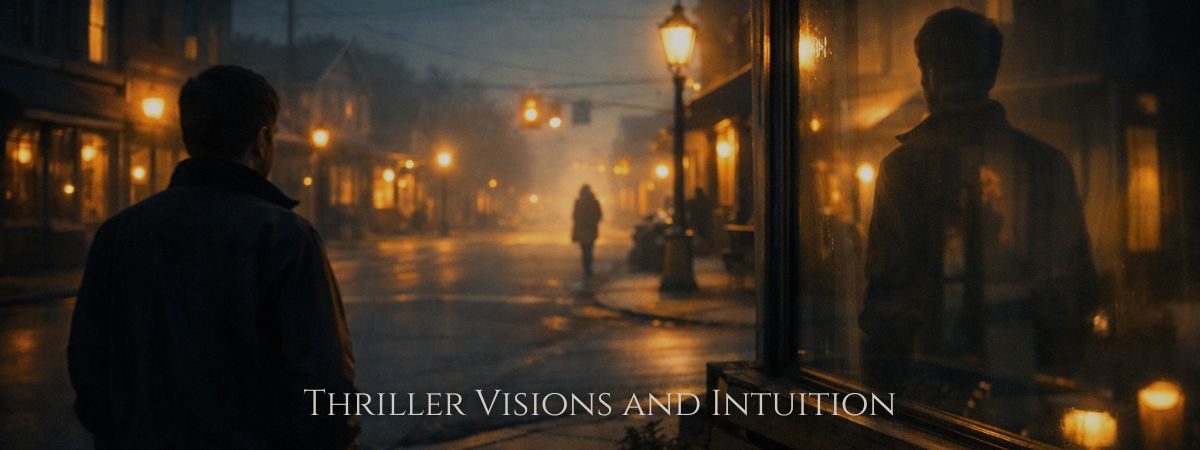
Psychological thrillers are built on uncertainty. Readers are constantly trying to figure out what is real, what can be trusted, and what danger may be hiding under the surface. One of the most effective ways these stories create suspense is through instincts, strange visions, and unexplained feelings that refuse to go away.
These moments add tension without giving direct answers. They make readers question everything while keeping the mystery emotionally engaging. That’s why thriller visions and intuition continue to play such an important role in psychological suspense stories.
Almost everyone has experienced a moment where something simply felt wrong without a clear explanation. Psychological thrillers use that feeling to create suspense.
Characters may notice details others ignore or feel uneasy about situations that appear normal on the surface. Readers connect with this because intuition feels natural and believable.
In many stories, intuition in psychological thriller stories becomes the first sign that something deeper is happening. A strange feeling, a sudden fear, or an instinctive reaction can create tension long before the truth is revealed.
This makes readers pay closer attention because they start wondering whether those instincts are warning signs or emotional confusion.
Psychological thrillers are often more effective when the tension grows slowly instead of relying only on dramatic action.
Unexplained visions and strong instincts create emotional discomfort because they leave both the characters and readers uncertain. A character may question their own thoughts while trying to understand what they are seeing or feeling.
This emotional tension through visions and instincts keeps the suspense steady throughout the story. Even simple moments can feel unsettling because readers sense that something important is being hidden.
The fear usually comes from uncertainty. Readers don’t know whether the visions are connected to reality, trauma, fear, or something else entirely.
That uncertainty is what keeps psychological thrillers engaging from beginning to end.
Stories become more memorable when the mystery feels connected to the characters emotionally.
Characters who experience unusual visions or strong instincts often feel isolated because others may not believe them. This creates both internal and external conflict. They are not only trying to solve the mystery, but also trying to understand themselves.
Readers become emotionally invested because they want to know whether these mysterious insights are leading toward the truth or creating more confusion.
Stories like The Adventures of Tommy Somebody Book series by K. M. Sorbello build suspense through emotional uncertainty, strange observations, and moments that blur the line between instinct and mystery.
That mix of emotion and suspense gives psychological thrillers more depth than simple mystery stories.
Intuition works well in suspense because it creates anticipation.
When a character senses danger before anything obvious happens, readers immediately become more alert. Small details suddenly feel important, and ordinary situations begin to feel suspicious.
This type of suspense builds naturally. A strange dream, an unexplained reaction, or a feeling that something is wrong may seem minor at first, but later those moments can completely change how readers understand the story.
That slow buildup is similar to how small-town thriller secrets create tension. The suspense grows quietly through uncertainty, emotional pressure, and hidden meaning rather than constant action.
Unexplained visions in suspense books keep readers curious because they leave room for interpretation.
Readers are never completely sure whether the visions are symbolic, psychological, or connected to something real. That uncertainty creates deeper suspense because every possibility feels important.
Writers often reveal these moments gradually, giving readers just enough information to stay interested without exposing the full truth too early.
The strongest psychological thrillers balance mystery with emotional realism. Instead of focusing only on shocking twists, they explore how fear, guilt, stress, or trauma affect the way characters think and react.
That emotional realism makes the suspense feel more believable and personal.
Readers enjoy psychological thrillers because they become part of the mystery themselves.
Every instinct, vision, or unexplained clue feels like a piece of a larger puzzle. Readers try to connect the details while questioning whether the characters can trust their own minds.
This keeps readers emotionally connected to the story because the suspense is tied closely to fear, uncertainty, and human emotion rather than only physical danger.
The mystery becomes more than just finding answers. It becomes about understanding what the characters are experiencing emotionally.
Visions and intuition add emotional depth to psychological thrillers because they create suspense through uncertainty and personal conflict.
They make readers question what is real while keeping them emotionally connected to the characters and their fears. Small instincts, strange visions, and unexplained feelings slowly build tension until every detail begins to matter. That’s what makes thriller visions and intuition such a powerful part of psychological suspense. The mystery grows quietly beneath the surface, keeping readers curious, uneasy, and emotionally invested until the very end.
Why Trust and Betrayal Create Stronger Suspense Stories
Trust is one of the most important parts of any relationship. In psychological thrillers, that

How Unanswered Questions Drive Suspense in Psychological Thrillers
A strong psychological thriller does not reveal everything at once. Instead, it creates curiosity by

How Small Town Secrets Build Suspense in Psychological Thriller Stories
Small towns often seem peaceful and familiar. Everyone knows each other, daily routines rarely change,