
How Unanswered Questions Drive Suspense in Psychological Thrillers
A strong psychological thriller does not reveal everything at once. Instead, it creates curiosity by
K. M. Sorbello
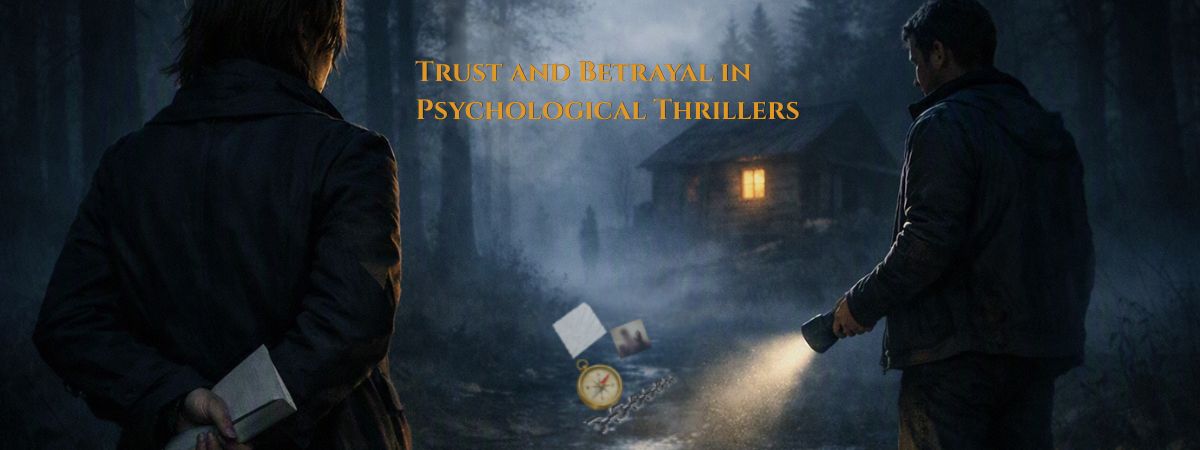
Trust is one of the most important parts of any relationship. In psychological thrillers, that trust often becomes the very thing that creates tension. When characters begin questioning each other’s intentions, even normal conversations can feel uncertain.
This is why trust and betrayal in suspense stories have such a strong impact. Betrayal does not only change the events of a story. It changes how characters view one another and makes readers question what they thought they knew.
The strongest suspense stories use trust, secrets, and deception to create emotional conflict that keeps readers invested.
Betrayal creates suspense because it changes the way characters understand each other.
When someone hides the truth or breaks another person’s trust, new questions appear. Why did they do it? What else are they hiding? Can they still be trusted?
These questions keep readers interested because the conflict becomes more personal. The mystery is no longer only about discovering what happened. It is also about understanding the choices and motivations behind each action.
In psychological thrillers, betrayal often comes from hidden intentions, secrets, or decisions that surprise other characters. Someone who seemed dependable may reveal information that changes everything.
This uncertainty creates tension because both readers and characters begin questioning who they can rely on.
A good thriller is not only built around mystery. It is also built around the relationships between characters.
When readers understand the connections between people, every secret carries more weight. A hidden truth between friends, family members, or close companions can create much bigger consequences.
This is why character relationships matter in thrillers. Suspense becomes stronger when the conflict involves people who already share history and emotional connections.
In The Adventures of Tommy Somebody Book series by K. M. Sorbello, mystery develops through investigations, personal connections, and situations where characters must decide who they can trust while searching for answers.
These relationships add emotional depth and make the suspense feel more meaningful.
Secrets are one of the most effective ways to build tension in psychological suspense.
A character may hide something because they are afraid, trying to protect someone, or avoiding the consequences of their actions. Whatever the reason, the secret creates curiosity.
Authors use these hidden details to make readers look closer at character behavior. A small hesitation, a missing explanation, or an unusual reaction can make readers question what is really happening.
The strongest thrillers do not make every character dishonest. Instead, they show how even good intentions can create complicated situations when information is hidden.
This creates realistic suspense because people are not always completely honest, even with those they care about.
Trust issues are common in psychological thrillers because characters are often placed in situations where the truth is difficult to understand.
They may question another person’s words, doubt their own decisions, or struggle to separate facts from assumptions. These internal conflicts make the story more engaging because the tension exists within the characters as well as around them.
Readers experience this uncertainty too. They begin paying attention to conversations, actions, and small changes in behavior.
This is where unanswered questions in thrillers become important. When trust starts to break, readers naturally want to know who is hiding something and what will happen when the truth comes out.
Secrets become more powerful when they have emotional consequences.
A hidden truth matters because of what it can change. It may damage a relationship, create conflict, or completely alter how characters see one another.
This is why trust and secrets in psychological suspense fiction work so well together. The mystery is connected to human emotions, making readers care about the outcome.
The uncertainty created by secrets keeps the story moving and encourages readers to continue searching for answers.
Betrayal has a strong emotional impact because it challenges trust between people.
When someone discovers that a person close to them has lied or hidden important information, the effect feels personal. The conflict is not only about what happened but also about how the relationship changes afterward.
This is why betrayal often creates some of the most memorable moments in psychological thrillers. It forces characters to question their choices, their relationships, and their understanding of the truth.
Trust and betrayal create stronger suspense because they make the mystery feel personal. Readers are not only looking for answers. They want to understand why characters made certain choices and how those decisions affect their relationships.
A powerful psychological thriller uses secrets and broken trust to create tension that feels real. When characters cannot fully trust each other, every conversation becomes more meaningful, and every discovery carries more weight. In the end, the strongest suspense often comes from relationships. When trust is tested, hidden truths begin to surface, and the mystery becomes much more than finding answers. It becomes about understanding the people behind them.
How Unanswered Questions Drive Suspense in Psychological Thrillers
A strong psychological thriller does not reveal everything at once. Instead, it creates curiosity by

Why Unexplained Visions and Intuition Matter in Psychological Thrillers
Psychological thrillers are built on uncertainty. Readers are constantly trying to figure out what is

How Small Town Secrets Build Suspense in Psychological Thriller Stories
Small towns often seem peaceful and familiar. Everyone knows each other, daily routines rarely change,